.png)
Every Number Tells a Story
We are proud to share our outcome data, but more proud of what the data represents – hundreds of patients who experienced symptom reduction, increased their sense of connection and self, and discovered a new level of wellbeing as a result of our expert team and our integrative outpatient program.



Depression symptoms dropped by over 2/3
.avif)
Sarah *
From Paralyzing Panic to Unlocked Intimacy
- Recurring panic attacks
- Racing Heart/Palpitations
- IBS symptoms
- Reluctance to drive, go out
- String of short-term relationships
.avif)
.png)
.avif)
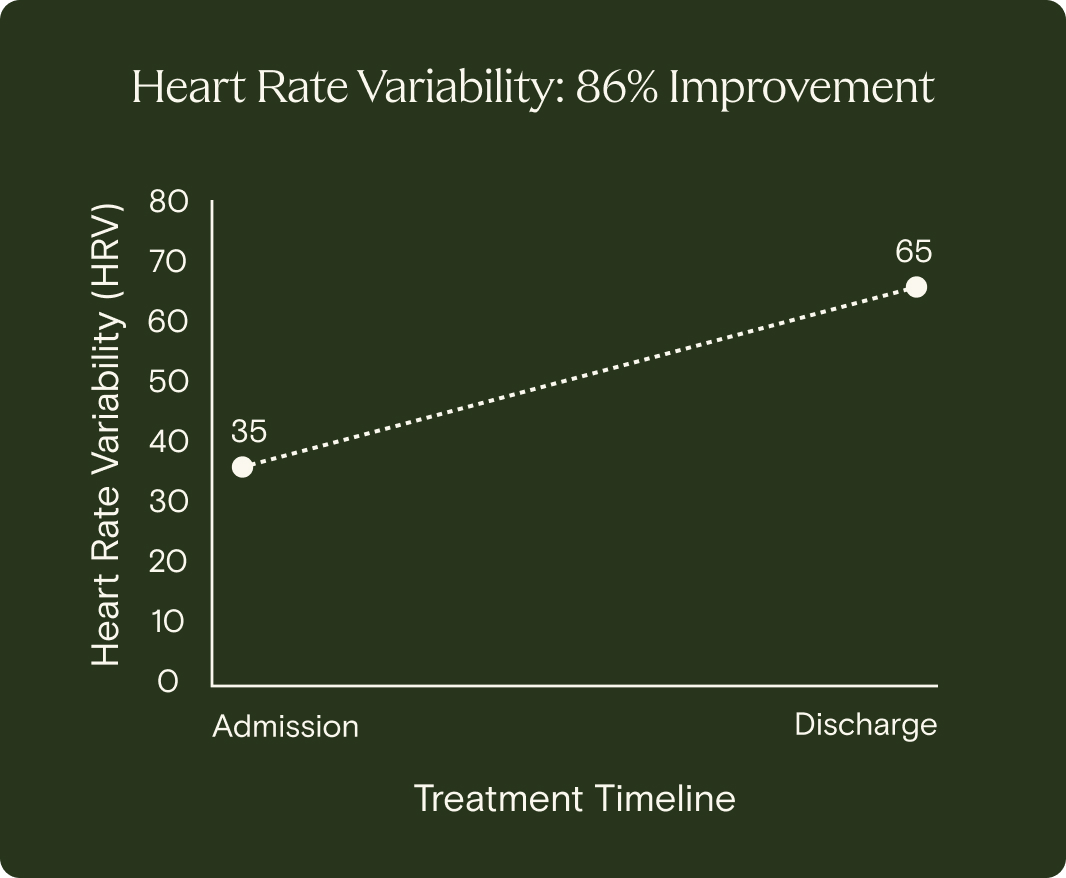
HRV measures the body’s ability to adapt to stress. An increase reflects greater resilience, reduced physiological stress, and enhanced capacity for social and emotional engagement.
The Ham-A measures severity of anxiety symptoms, including tension, fears, and physiological responses. A reduction signals improved emotional regulation and ability to navigate daily life.
.avif)
Jason *
From Pain Endured to Purpose Renewed
- Brain fog
- Severe back pain, body aches
- Hopelessness
- Unintentional weight loss
- Marital distress
.png)
%20(1).avif)
.png)
.avif)
Pain scores track both intensity and impact on daily life. Reduction reflects improved physical comfort, mobility, and the ability to engage meaningfully in work and relationships.
The PHQ-9 measures depression severity, including mood, energy, sleep, and interest in activities. A reduction indicates improved emotional wellbeing, motivation, and overall daily functioning.

Jacob *
From Social Isolation to Confident Independence
- Social Withdrawal
- Executive Functioning Challenges
- Restrictive Nutrition Choices
- Weakened Immunity; Frequent Illness
.png)
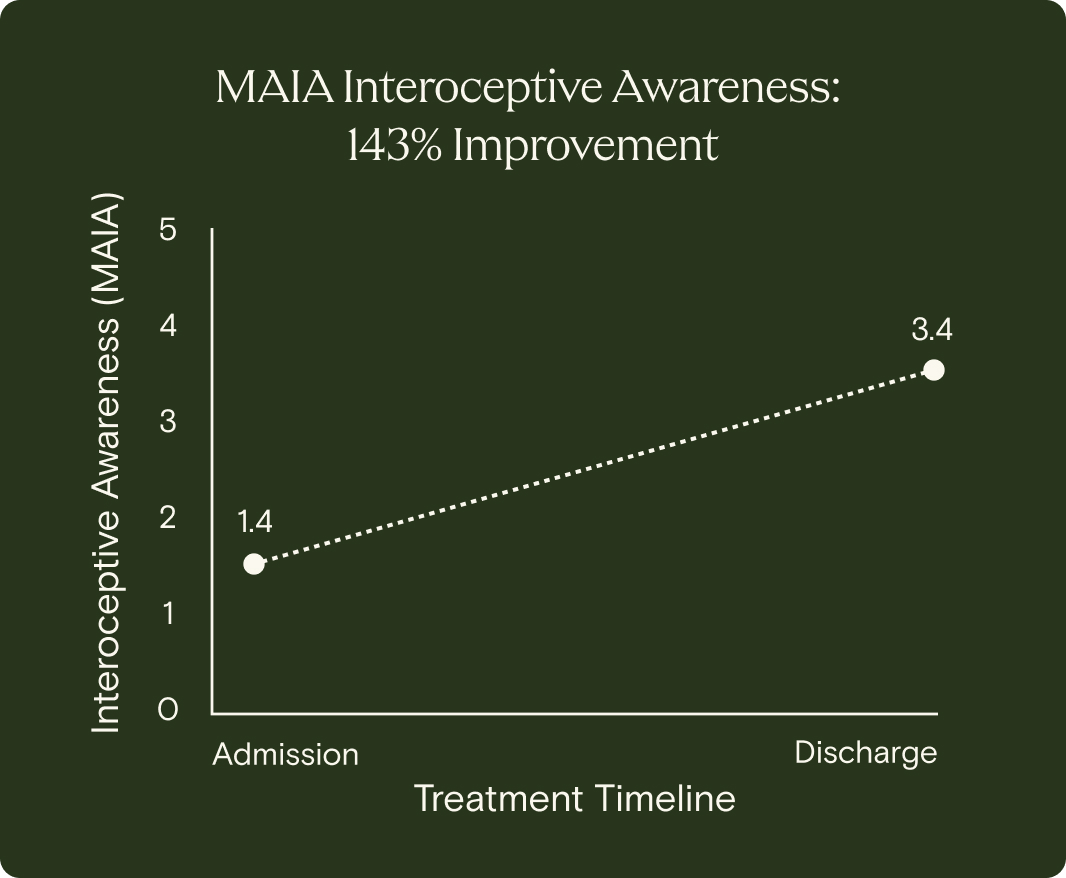
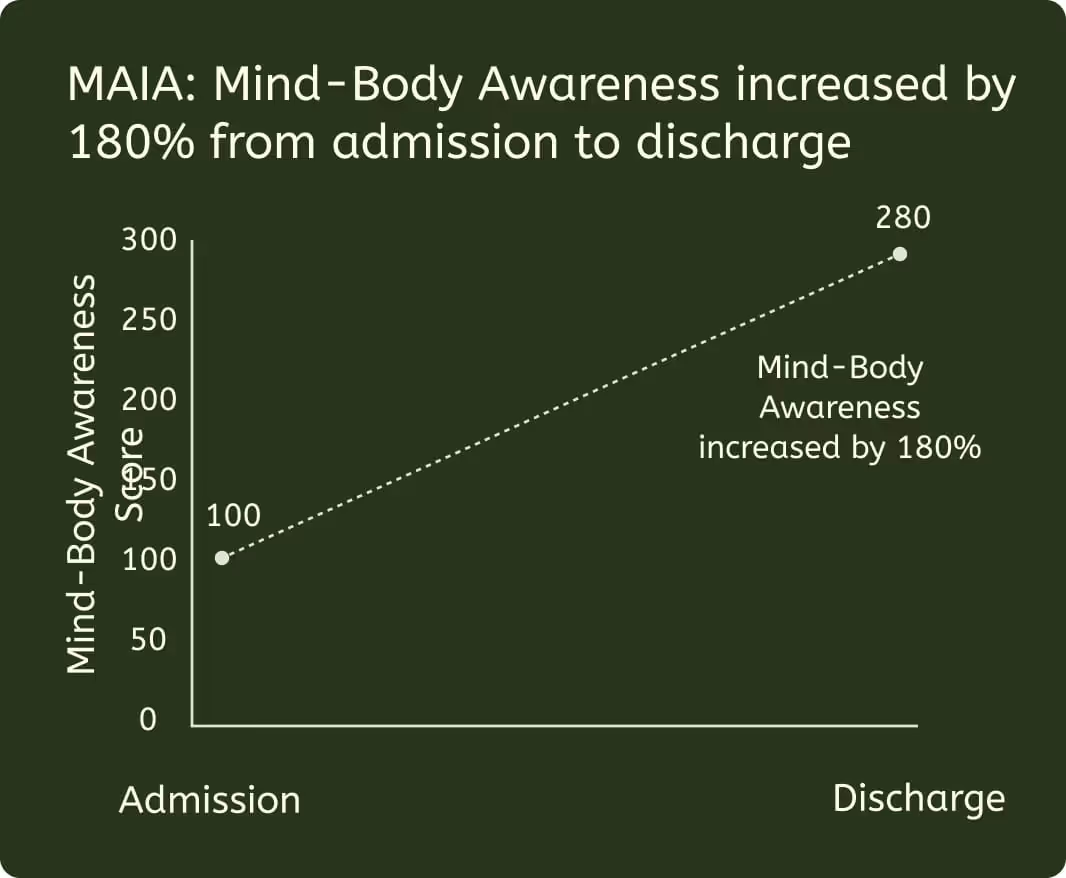
The Multidimensional Assessment of Interoceptive Awareness (MAIA) measures awareness of body sensations and ability to respond adaptively. An increase reflects greater bodily self-awareness, emotional regulation, and resilience.
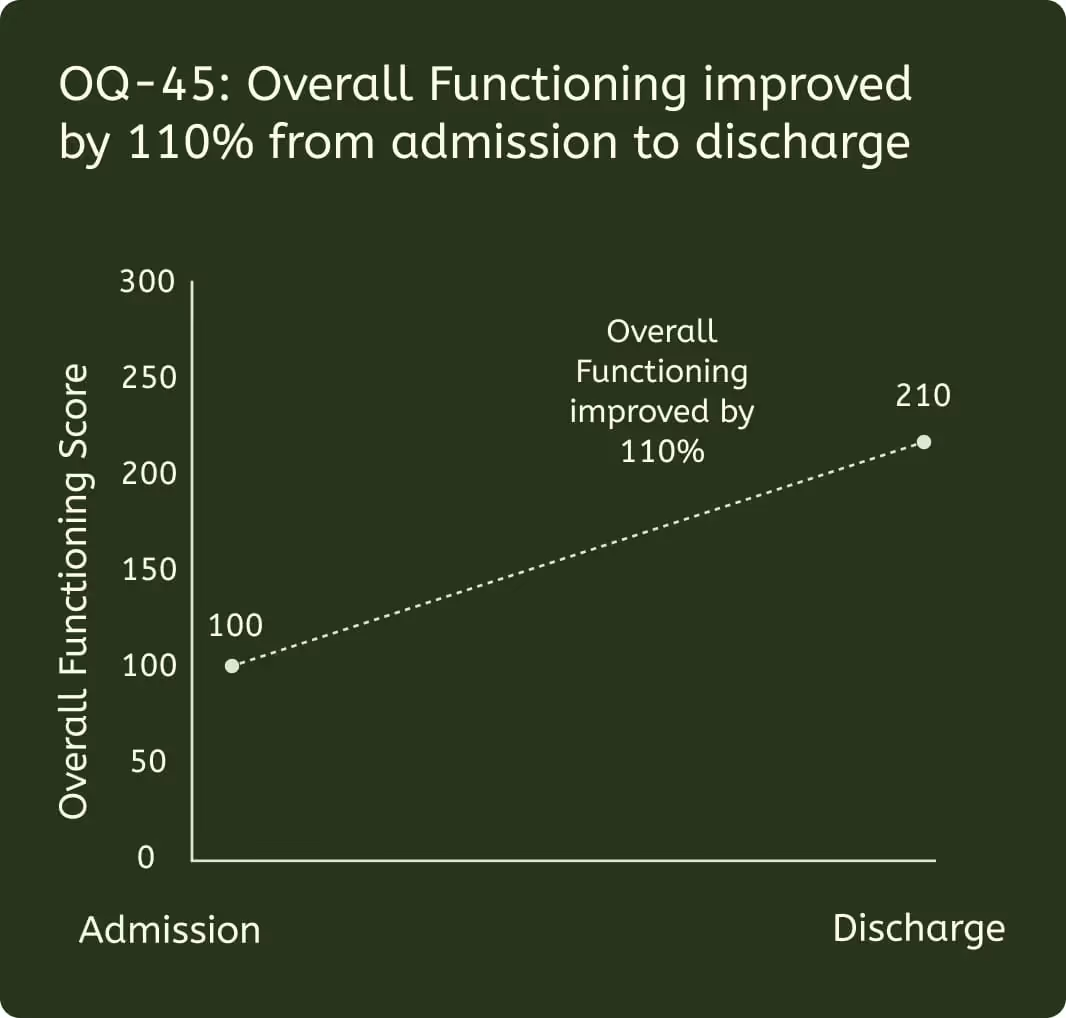
The OQ-45 measures overall functioning across symptom distress, interpersonal relationships, and social role performance. Improvement reflects enhanced independence, daily functioning, and ability to engage meaningfully with others.

Mary *
From Survival Mode to Felt Safety
- Early Life Trauma
- Difficulty Falling/Staying Asleep
- Hypervigilience, Feeling of Unease
- Persistent Migraines
- Passive suicidal ideation
.png)
.png)
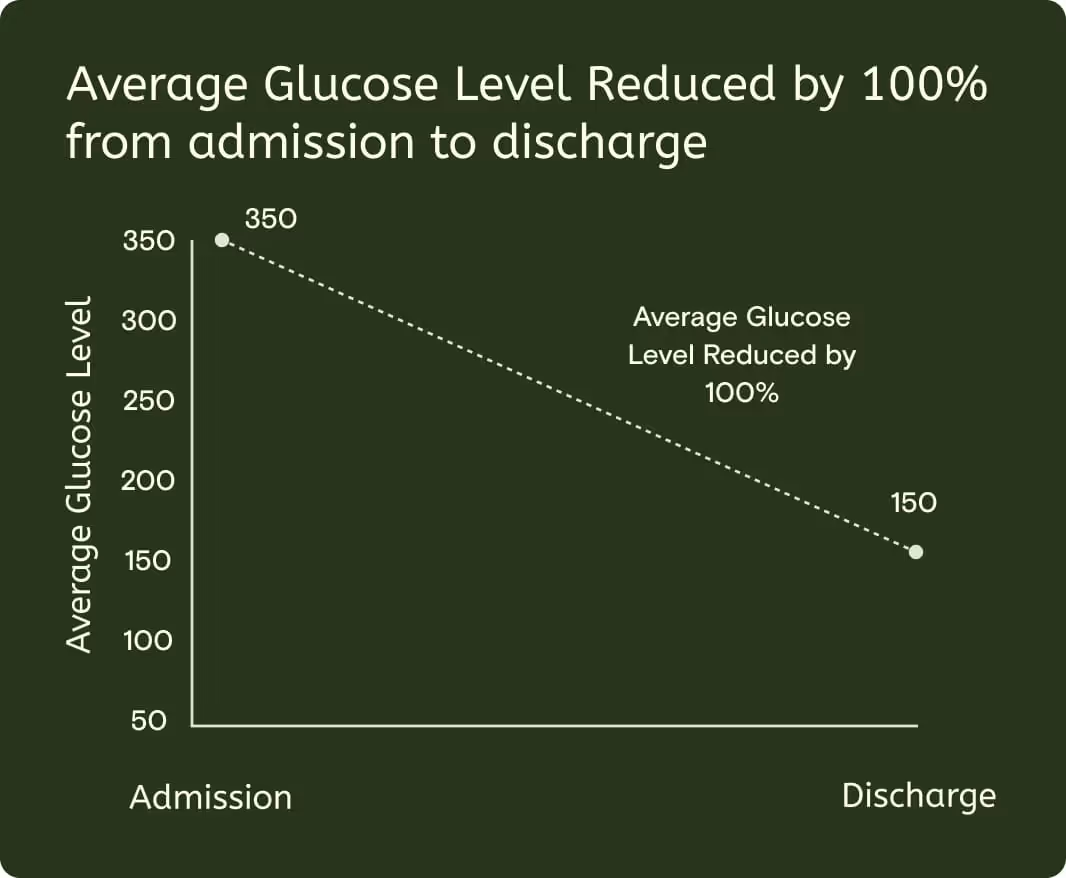
Glucose levels are a key marker of physiological stress and metabolic strain. Chronic trauma and prolonged stress can dysregulate the body’s stress response, contributing to elevated glucose. Reduction indicates improved autonomic regulation and decreased physiological stress burden.
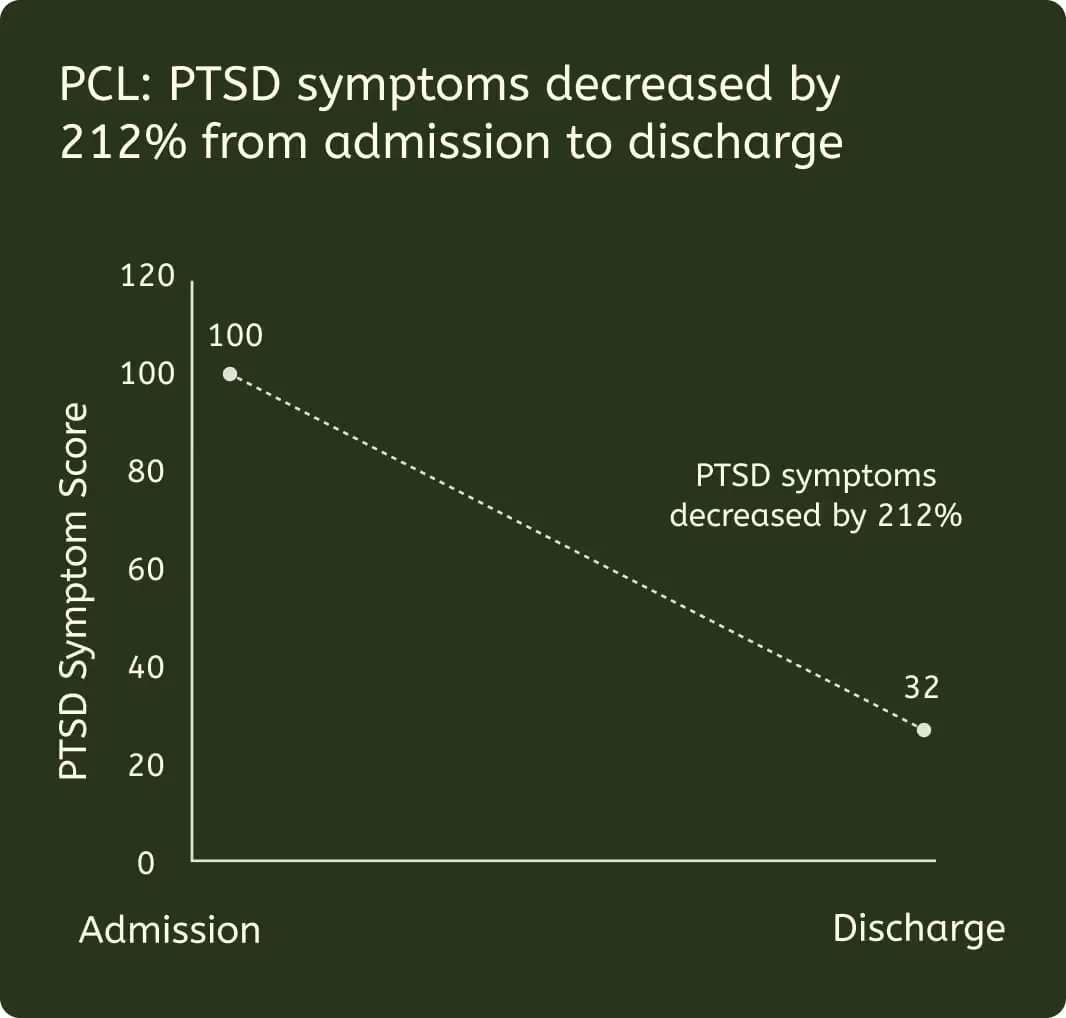
The PCL measures the severity of trauma-related symptoms such as hypervigilance, intrusive thoughts, sleep disruption, and emotional reactivity. A significant reduction reflects increased nervous system regulation, improved sleep, and a restored sense of safety in daily life.
Sarah *
From hidden trauma to deeper healing
- Early Life Trauma
- Difficulty Falling/Staying Asleep
- Hypervigilience, Feeling of Unease
- Persistent Migraines
- Passive suicidal ideation
Average glucose level tracks blood sugar stability over time. Chronic stress, disrupted sleep, and trauma can all affect the body’s ability to regulate glucose. A reduction in average glucose levels signals improved nervous system regulation, reduced stress reactivity, and stronger physical resilience—all key to sustained mental health recovery.
The PTSD Checklist (PCL) is a widely used tool to measure the severity of post-traumatic stress symptoms such as hypervigilance, intrusive thoughts, avoidance, and emotional numbness. A lower PCL score reflects reduced trauma-related distress and greater emotional stability. Improvements here show a patient is regaining a sense of safety, sleep, and daily functioning.



69% reduction in anxiety symptoms
Our Collection Methods
The outcomes presented in these case studies reflect aggregated, de-identified data collected from patients admitted to True Life Center’s outpatient programs. Data were tracked systematically throughout each patient’s course of care, including at admission, periodic intervals during treatment, and at discharge. Only patients who provided informed consent for the use of their de-identified data in outcome reporting were included.
Outcome measures were selected for their clinical relevance and validated use in mental health and integrative care settings. Data tracking included symptom scales, functional assessments, and physiological measures, as appropriate to the patient’s presenting concerns and individualized treatment plan.
Healing Stories From the People Who’ve Lived It
.png)

.avif)
We're ready to help.



-min.avif)
