.png)
.avif)
%20(1).avif)
Our Interventions
True Life Center’s outpatient programs combine relational psychiatry, integrative wellness, individualized psychotherapy, and lifestyle medicine to deliver mental health care that is comprehensive and compassionate
Evidence-Based Psychotherapy
True Life Center’s Clinical Team draws from proven therapeutic modalities including:
Cognitive & Behavioral Therapies
Cognitive Behavioral Therapies is a type of psychotherapy that helps people change negative thinking patterns and unhealthy behaviors to improve their moods and overall quality of life. It is a structured, goal-oriented, and evidence-based approach that teaches practical, self-help strategies to cope with difficulties, challenge irrational beliefs, and develop healthier thought processes and actions.
- Cognitive Behavioral Therapy (CBT)
- Dialectical Behavioral Therapy (DBT)
- Action and Commitment Therapy (ACT)
- Motivational Interviewing (MI)
- Exposure and Response Prevention (ERP)
.avif)
Trauma-Focused Therapies
Trauma-focused therapies provide a safe and supportive way to process traumatic experiences. Trauma-informed care is helpful for any mental health condition where trauma plays a significant goal in symptom development or etiology. It includes treatment of symptoms and consideration of the holistic effects of trauma on wellbeing. Trauma-informed therapy encompasses a range of therapeutic modalities including:
- EMDR (Eye Movement Desensitization and Reprocessing)
- Somatic Experiencing (SE)
- Internal Family Systems (IFS)
- Cognitive Processing Therapy (CPT)
- Trauma Resiliency Model (TRM)
- Brainspotting
Relational & Family Therapies
Relational and family therapies focus on the way distress is developed and maintained within interpersonal relationships and social systems. By addressing issues collaboratively within marriages, families, workplaces and communities, these approaches support healthier patterns of connection and engagement. Approaches include:
- Emotionally Focused Therapy (EFT and EFFT)
- Gottman Method for Couples and Families
- Attachment-Based Therapy
- Family Systems Therapy
Psychodynamic & Mentalization Approaches
Psychodynamic and mentalization-based approaches guide patients toward a better understanding of their own internal experience. Psychodynamic therapy is an in-depth form of talk therapy where patients are encouraged to explore the way unconscious patterns, past experiences, and repressed emotions are influencing current behaviors. Mentalization-Based Therapy (MBT) is a present-focused psychodynamic approach focused on enhancing the capacity to reflect on one’s own thoughts and feelings, as well as those of others.
Expressive & Supportive Therapies
Expressive and supportive therapies are client-centered approaches that focus on emotional exploration, comfort and validation, and skill-building, rather than deep analysis. Supportive therapies prioritize a strong and secure patient-provider relationship, while expressive therapies utilize creative modalities to access feelings in a way that individuals might otherwise struggle to discuss. Expressive Arts Therapy may include:
- Art Therapy
- Movement Therapy
- Music Therapy
- Psychodrama
Cognitive Behavioral Therapies
Cognitive Behavioral Therapies help individuals change negative thinking patterns and unhealthy behaviors to improve their moods and overall quality of life. It is a structured, goal-oriented, and evidence-based approach that teaches practical, self-help strategies to cope with difficulties, challenge irrational beliefs, and develop healthier thought processes and actions.
- Cognitive Behavioral Therapy (CBT)
- Dialectical Behavioral Therapy (DBT)
- Action and Commitment Therapy (ACT)
- Motivational Interviewing (MI)
- Exposure and Response Prevention (ERP)

Trauma-Focused Therapies
Trauma-focused therapies provide a safe and supportive way to process traumatic experiences. Trauma-informed care is helpful for any mental health condition where trauma plays a significant goal in symptom development or etiology. It includes treatment of symptoms and consideration of the holistic effects of trauma on wellbeing. Trauma-informed therapy encompasses a range of therapeutic modalities including:
- EMDR (Eye Movement Desensitization and Reprocessing)
- Somatic Experiencing (SE)
- Internal Family Systems (IFS)
- Cognitive Processing Therapy (CPT)
- Trauma Resiliency Model (TRM)
- Brainspotting

Relational & Family Therapies
Relational and family therapies focus on the way distress is developed and maintained within interpersonal relationships and social systems. By addressing issues collaboratively within marriages, families, workplaces and communities, these approaches support healthier patterns of connection and engagement. Approaches include:
- Emotionally Focused Therapy (EFT and EFFT)
- Gottman Method for Couples and Families
- Attachment-Based Therapy
- Family Systems Therapy

Psychodynamic & Mentalization Approaches
Psychodynamic and mentalization-based approaches guide patients toward a better understanding of their own internal experience. Psychodynamic therapy is an in-depth form of talk therapy where patients are encouraged to explore the way unconscious patterns, past experiences, and repressed emotions are influencing current behaviors. Mentalization-Based Therapy (MBT) is a present-focused psychodynamic approach focused on enhancing the capacity to reflect on one’s own thoughts and feelings, as well as those of others.

Expressive & Supportive Therapies
Expressive and supportive therapies are client-centered approaches that focus on emotional exploration, comfort and validation, and skill-building, rather than deep analysis. Supportive therapies prioritize a strong and secure patient-provider relationship, while expressive therapies utilize creative modalities to access feelings in a way that individuals might otherwise struggle to discuss. Expressive Arts Therapy may include:
- Art Therapy
- Movement Therapy
- Music Therapy
- Psychodrama

Integrative Wellness Modalities
True Life Integrative Wellness Team draws from Chinese Medicine and Lifestyle Medicine informed care including:
Chinese Medicine
.avif)
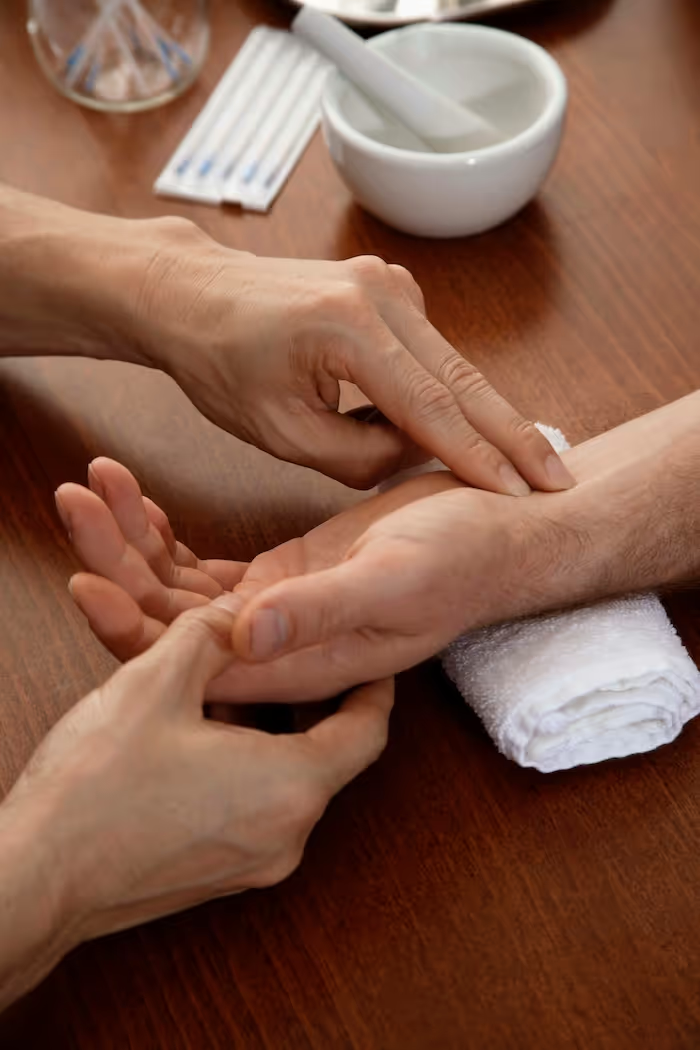
Chinese Medicine approaches healing through the understanding that body, mind, and relationships are deeply interconnected and influenced by the flow of energy (qi). When this flow is disrupted, imbalance and distress can emerge. Treatments such as acupuncture and herbal medicine are used to restore balance and support overall wellbeing.
- Acupuncture
- Cupping Therapy
- Sound Healing
- Nature Therapy
- Herbal Medicine
Mindful Movement
Mindful movement is an approach that brings present-moment awareness to the body’s sensations during physical activity – whether everyday activity like walking through a store or structured exercise. By intentionally focusing on presence, non-judgement, and curiosity, mindful movement strengthens the mind-body connection and regulates the nervous system. Specific interventions include:
- Tai Chi
- Yoga
- Qigong
- Core Strength, Flexibility and Balance
- Exercise as adjunctive treatment for mental health
Breathwork & Energy Practices
Breathwork and energy practices are experiential healing modalities that support shifts in physical or emotional state via conscious control of the breath and balancing of the body’s energy systems. Often used for stress reduction and relaxation, these practices help build interoception awareness and serve as complementary tools for nervous system regulation.
- Conscious Breathwork (e.g., guided breathing, somatic techniques)
- Energy Balancing Practices (e.g., Reiki, Qigong, Healing Touch)
- Interoceptive Awareness Exercises (body scans, mindful sensing)
- Relaxation and Nervous System Regulation Techniques
Integrative Bodywork & Assessment
Integrative bodywork offers hands-on, body-centered healing that supports symptom relief, increases interoceptive awareness, and stabilizes physiological systems foundational to deeper psychological and interpersonal growth. Unlike traditional massage, this approach emphasizes holistic, integrative healing over simple relaxation. It also includes assessment of dis-ease through a whole-person lens.
Nutritional & Holistic Support
Neuromuscular adaptation and nutritional support focus on optimizing how the body is fueled and how it moves. Through practices like cardio, resistance training, yoga, and mobility work, individuals build strength, coordination, and efficiency by improving the nervous system’s ability to activate muscle fibers. Nutritional support emphasizes education and individualized planning aligned with your lifestyle, activity level, and health goals, with ongoing guidance and progress tracking.
Chinese Medicine
Chinese Medicine approaches healing through the understanding that body, mind, and relationships are deeply interconnected and influenced by the flow of energy (qi). When this flow is disrupted, imbalance and distress can emerge. Treatments such as acupuncture and herbal medicine are used to restore balance and support overall wellbeing.
- Acupuncture
- Cupping Therapy
- Sound Healing
- Nature Therapy
- Herbal Medicine
Mindful Movement
Mindful movement is an approach that brings present-moment awareness to the body’s sensations during physical activity – whether everyday activity like walking through a store or structured exercise. By intentionally focusing on presence, non-judgement, and curiosity, mindful movement strengthens the mind-body connection and regulates the nervous system. Specific interventions include:
- Tai Chi
- Yoga
- Qigong
- Core Strength, Flexibility and Balance
- Exercise as adjunctive treatment for mental health

Breathwork & Energy Practices
Breathwork and energy practices are experiential healing modalities that support shifts in physical or emotional state via conscious control of the breath and balancing of the body’s energy systems. Often used for stress reduction and relaxation, these practices help build interoception awareness and serve as complementary tools for nervous system regulation.
- Conscious Breathwork (e.g., guided breathing, somatic techniques)
- Energy Balancing Practices (e.g., Reiki, Qigong, Healing Touch)
- Interoceptive Awareness Exercises (body scans, mindful sensing)
- Relaxation and Nervous System Regulation Techniques

Integrative Bodywork & Assessment
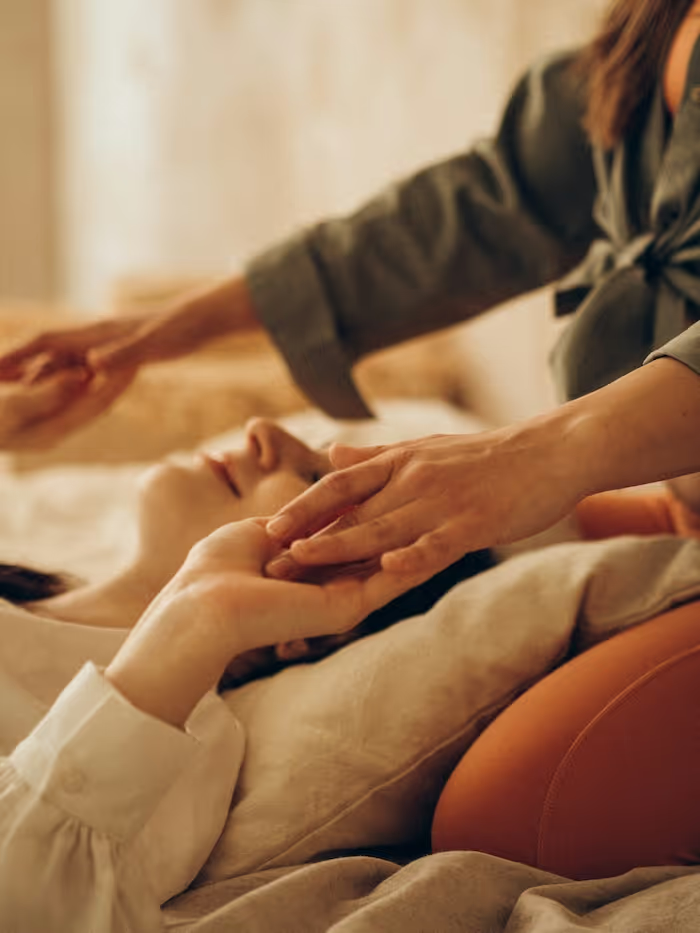
Integrative bodywork offers hands-on, body-centered healing that supports symptom relief, increases interoceptive awareness, and stabilizes physiological systems foundational to deeper psychological and interpersonal growth. Unlike traditional massage, this approach emphasizes holistic, integrative healing over simple relaxation. It also includes assessment of dis-ease through a whole-person lens.
Nutritional & Holistic Support
Neuromuscular adaptation and nutritional support focus on optimizing how the body is fueled and how it moves. Through practices like cardio, resistance training, yoga, and mobility work, individuals build strength, coordination, and efficiency by improving the nervous system’s ability to activate muscle fibers. Nutritional support emphasizes education and individualized planning aligned with your lifestyle, activity level, and health goals, with ongoing guidance and progress tracking.

Lifestyle Medicine
True Life Center’s Clinical Team draws from proven therapeutic modalities including:
Integrative Psychiatry
Integrative psychiatry blends conventional Western approaches, such as medication management and psychotherapy, with attention to lifestyle factors and whole-person wellbeing. This patient-centered model draws on physical, emotional, relational, and spiritual domains to support meaningful, sustainable healing.
Psychiatric Medication Optimization
Psychiatric medication optimization reflects both the science and the art of finding medications that are effective while minimizing unwanted side effects. This process requires getting to know you as a whole person, informed by integrative psychiatry and your broader care team. Medication work is collaborative and goal-directed, whether the aim is symptom relief, improved quality of life, or, when appropriate, thoughtfully tapering off medication.
Ketamine Therapy
Ketamine therapy is a rapid-onset treatment option for certain mental health conditions, including treatment-resistant depression, anxiety, PTSD, and more. In carefully monitored, low doses administered in a clinical setting, ketamine works by targeting brain pathways that traditional antidepressants do not affect, often providing patients with faster mood improvement. Ketamine can be administered by a medical professional through several methods, including:
- Intravenous (IV) infusion
- Nasal spray
- Intramuscular (IM) injection
Functional Health
Functional health addresses the whole person—body, mind, and behavior—to support resilience, recovery, and sustained wellbeing. Evidence-informed strategies help optimize physical functioning, regulate physiological systems, and support the body’s natural capacity to heal alongside psychological care.
- Biofeedback Training
- Sleep Monitoring & Optimization
- Nutrition Assessment & Support
- Exercise & Movement Coaching
- Mind-Body Integration Practice
- Hormonal & Metabolic Monitoring
- Pain & Symptom Tracking
Stress Reduction & Resiliency Development
Stress Reduction interventions target the physiological and psychological mechanisms underlying stress, helping individuals develop adaptive coping strategies and enhancing resilience. Interventions include evidence-based practices for emotion regulation, cognitive flexibility, and somatic awareness, designed to improve stress tolerance, support recovery from acute stressors, and promote long-term mental well-being.
- Mindfulness Based Stress Reduction (MBSR)
- Somatic Awareness & Body-Based Regulation
- Biofeedback for Stress Regulation
- Cognitive Behavioral Strategies for Stress
- Resilience Skills Training
- Emotion Regulation Interventions
Integrative Psychiatry
Integrative psychiatry blends conventional Western approaches, such as medication management and psychotherapy, with attention to lifestyle factors and whole-person wellbeing. This patient-centered model draws on physical, emotional, relational, and spiritual domains to support meaningful, sustainable healing.

Psychiatric Medication Optimization
Psychiatric medication optimization reflects both the science and the art of finding medications that are effective while minimizing unwanted side effects. This process requires getting to know you as a whole person, informed by integrative psychiatry and your broader care team. Medication work is collaborative and goal-directed, whether the aim is symptom relief, improved quality of life, or, when appropriate, thoughtfully tapering off medication.

Ketamine Therapy
Ketamine therapy is a rapid-onset treatment option for certain mental health conditions, including treatment-resistant depression, anxiety, PTSD, and more. In carefully monitored, low doses administered in a clinical setting, ketamine works by targeting brain pathways that traditional antidepressants do not affect, often providing patients with faster mood improvement. Ketamine can be administered by a medical professional through several methods, including:
- Intravenous (IV) infusion
- Nasal spray
- Intramuscular (IM) injection
Functional Health
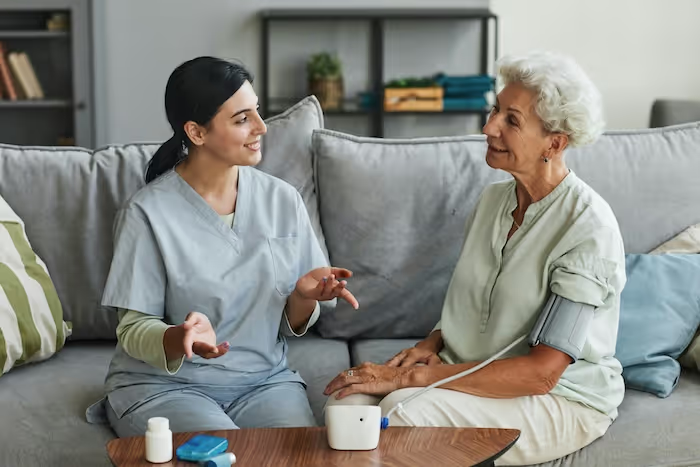
Functional health addresses the whole person—body, mind, and behavior—to support resilience, recovery, and sustained wellbeing. Evidence-informed strategies help optimize physical functioning, regulate physiological systems, and support the body’s natural capacity to heal alongside psychological care.
- Biofeedback Training
- Sleep Monitoring & Optimization
- Nutrition Assessment & Support
- Exercise & Movement Coaching
- Mind-Body Integration Practice
- Hormonal & Metabolic Monitoring
- Pain & Symptom Tracking

Stress Reduction and Resiliency Development
Stress Reduction interventions target the physiological and psychological mechanisms underlying stress, helping individuals develop adaptive coping strategies and enhancing resilience. Interventions include evidence-based practices for emotion regulation, cognitive flexibility, and somatic awareness, designed to improve stress tolerance, support recovery from acute stressors, and promote long-term mental well-being.

Conditions We Treat With These Modalities
Learn More


Explore true life center


Outpatient Programs
Step into treatment without stepping away from your life. True Life’s Intensive Outpatient and Partial Hospitalization Programming provide up to 20 hours per week of structured, comprehensive care.


Admissions
Beginning mental health treatment can feel overwhelming. Our admissions team is here to provide confidentiality, compassion, and clinical insight to help you find the right care for you or your loved one.

Our Outcomes
We are proud to share our outcome data, but more proud of what the data represents – hundreds of patients who experienced symptom reduction, increased connection, and greater wellbeing.
We're ready to help.



-min.avif)
